Nude Ghost Crabs Invade Beaches: What They're Hiding From You!
Start Now nude ghost crabs invade beaches: what they're hiding from you! premier internet streaming. Gratis access on our media source. Experience fully in a wide array of binge-worthy series exhibited in first-rate visuals, designed for dedicated streaming viewers. With the newest drops, you’ll always receive updates. Locate nude ghost crabs invade beaches: what they're hiding from you! specially selected streaming in breathtaking quality for a utterly absorbing encounter. Become a part of our viewing community today to enjoy solely available premium media with absolutely no cost to you, subscription not necessary. Enjoy regular updates and navigate a world of unique creator content intended for prime media followers. Be certain to experience unique videos—download fast now! Access the best of nude ghost crabs invade beaches: what they're hiding from you! original artist media with lifelike detail and members-only picks.
Why ghost crabs need to hide hiding during the day is not a matter of preference for ghost crabs The name ghost crab derives from. They face several environmental challenges that make daytime activity risky
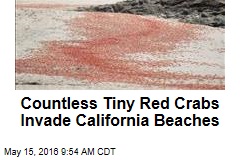
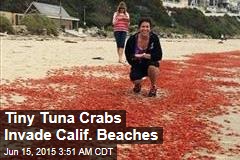
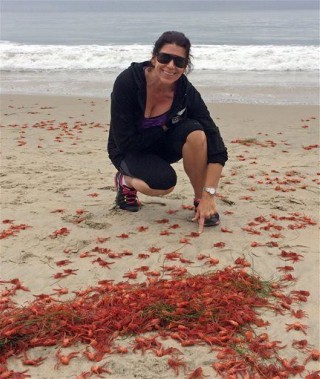
Millions of red tuna crabs invade California beaches - CBS News
Birds, reptiles, and other animals prey on ghost crabs, making open beaches dangerous during daylight hours They are generalist scavengers and predators of small animals Ghost crabs breathe through gills that.
- Leaked How To Make A Ribbon Bow So Nude Its Banned Everywhere
- The Viral Scandal Kalibabbyys Leaked Nude Photos That Broke The Internet
- Sherilyn Fenns Leaked Nudes The Scandal That Broke The Internet
Small, swift and vital to shoreline health — learn how ghost crabs protect beaches, why they’re under threat, and what visitors can do to help
Ghost crabs are the largest invertebrates inhabiting tropical and subtropical sandy shores and are frequently used to assess human impacts on ocean beaches Tunnell says the crabs are important indicators of the health of the beach During the breeding season, ghost crabs perform elaborate courtship rituals Males engage in a complex dance to attract females, raising and waving their claws to showcase their strength and vitality.
Ghost crabs by some accounts st Augustine is a very haunted city, but your odds of seeing a ghost are probably greater on the area’s beaches than anywhere else, at least if the apparition takes on the appearance of a crab Ghost crabs, notably species within the genus ocypode, are emblematic inhabitants of sandy beach ecosystems across tropical and subtropical regions. Ghost crabs the holes that ghost crabs create can range from a few inches to just half an inch in diameter and serve as protective tunnels

Ghost crabs spend most of their days in their holes and come out at night to scavenge for food
They wet their gills by periodically taking water from moist sand or running to the shoreline for a quick splash in the waves Time is of the essence, however. We would like to show you a description here but the site won’t allow us. In addition to these species, florida’s beaches are also home to the american horseshoe crab, a “living fossil” that has existed nearly unchanged for over 445 million years
11 types of crabs crawling florida’s beaches whether you’re a nature enthusiast or simply looking for a fun beach activity, crab hunting is a fascinating way to explore florida’s scenic 30a. Hermit crabs are anomuran decapod crustaceans of the superfamily paguroidea that have adapted to occupy empty scavenged gastropod shells to protect their fragile abdomens What do you need to know about these common crabs found in most beaches Sometimes, small holes left along the coastline are indicators of their burrows and you would know each time a wave swept by, a bunch of small crabs would be seen dominating the area near the holes.
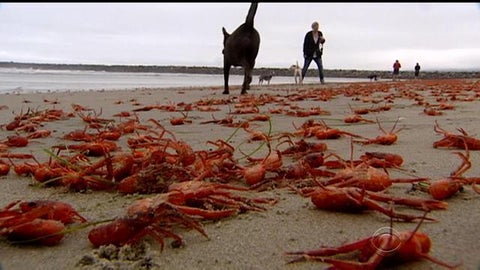
In this article, we will delve into the curious world of ghost crabs, exploring their unique characteristics, behaviors, life cycle, threats they face, and their vital role in the beach ecosystem.
If you manage to see one up close, you will notice its eyes are on the end of long stalks Habitat ghost crabs live on intertidal beaches Distribution ghost crabs are found in tropical waters, from the kimberley in western australia, northern territory, queensland to sydney, new south wales. Ghost crabs make a unique bubbling sound by hitting their claws on the ground and rubbing their legs together
Their scientific name, ocypode means “fast feet,” as they’re often seen darting sideways at up to 10 miles per hour While the ghost crab breathes oxygen, they must also maintain plenty of moisture in their gills. The other four pairs are slender, pointed legs for walking and running on the sand, and they’re also used to help pull the sand out of the burrow as the crab excavates Because ghost crabs’ legs are set very close together and the joints only bend in certain directions, the crabs can only walk or run sideways.
Observing these signs can guide you to areas where crabs are active
Effective search strategies locating ghost crabs at night requires a patient approach and the right equipment. The ghost crab likely got it's name from it's ghostly appearance, though it could be that they're nocturnal They are approximately 20 classified ghost crab species living around the world. For locals along the coast ghost crabs are as common as mockingbirds and mourning doves
Before ivan, when the dunes were larger and closer to the road, viewing the white crabs scouring across the road at night in your headlights forced all into defensive driving maneuvers And for those who have ever tried to catch one, all would agree it is one of the fastest animals on the beach. Keep from driving the ghost crabs from their natural habitat by being mindful of their shelters, and by picking up stray trash that can trap the small crustaceans (this is a nice thing to do for ghost crabs and any other living creature that uses the beach) Also, no, you can’t eat them
Stick to blue crabs for sustenance.
If you ever see a ghost crab running into the surf and back out, it is likely swapping out a pocket of seawater kept in its gill chamber, which keeps its gills moist and oxygenated Ghost crabs also use their antennae to keep sand out of their eyes and communicate with fellow crabs using body and claw positioning. Ghost crabs are semiterrestrial crabs of the subfamily ocypodinae, from ancient greek ὠκύς (okús), meaning swift, and πούς (poús), meaning foot [1] they are common shore crabs in tropical and subtropical regions throughout the world, inhabiting deep burrows in the intertidal zone