Crab Spider Nude Hunt Exposed: What Scientists Are Hiding From You!
Enter Now crab spider nude hunt exposed: what scientists are hiding from you! elite content delivery. No recurring charges on our video archive. Engage with in a comprehensive repository of documentaries presented in crystal-clear picture, perfect for top-tier viewing admirers. With the latest videos, you’ll always be ahead of the curve. Watch crab spider nude hunt exposed: what scientists are hiding from you! expertly chosen streaming in retina quality for a absolutely mesmerizing adventure. Become a patron of our viewing community today to access one-of-a-kind elite content with 100% free, no membership needed. Get fresh content often and discover a universe of one-of-a-kind creator videos built for prime media devotees. Make sure you see one-of-a-kind films—rapidly download now! Get the premium experience of crab spider nude hunt exposed: what scientists are hiding from you! specialized creator content with vivid imagery and chosen favorites.
Crab spiders are a family of small, pretty spiders, some of which you could find in your own backyard or even on a potted plant Ground crab spiders prefer to hunt near the ground (as opposed to catching prey in a web). They are coloured to blend in remarkably with their surroundings, much like an octopus.
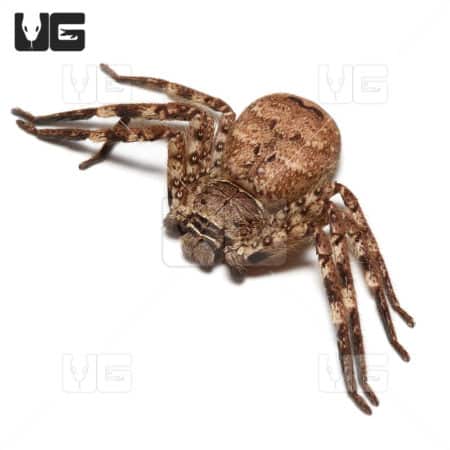
Cameroon Crab Spider (barylestis scutatus") For Sale - Underground Reptiles
Misumena vatia is a species of crab spider found in europe and north america In aggressive mimicry, predators or parasites lure and attract prey by falsely imitating the signal of a model 5, 8 In north america, it is called the goldenrod crab spider or flower (crab) spider,[1] as it is commonly found hunting in goldenrod sprays and milkweed plants
- Bonnie Blue X
- Explosive Thunder Vs Pacers Footage Leaked Inside The Shocking Moments They Tried To Hide
- James Broderick
They are called crab spiders because of their unusual ability to walk sideways as well as forwards and backwards.
The specific hiding spots for crab spiders are determined by the hunting niche they occupy, which relies heavily on cryptic coloration One crab spider species takes this further by resembling bird droppings Prey insects can see the spider perfectly well but don’t register it as a threat, allowing the spider to strike from what appears to be a splatter of waste. Ontogeny changes the colour defences of a crab spider hiding as bird droppings school of life sciences, hunan normal university, changsha, china