Ùیلم سوپرسوسانو
Go Premium For Free Ùیلم سوپرسوسانو signature internet streaming. Without any fees on our streaming service. Dive in in a endless array of films available in first-rate visuals, great for first-class streaming geeks. With the freshest picks, you’ll always stay on top of. See Ùیلم سوپرسوسانو selected streaming in vibrant resolution for a absolutely mesmerizing adventure. Get into our entertainment hub today to stream unique top-tier videos with at no cost, free to access. Enjoy regular updates and discover a universe of one-of-a-kind creator videos optimized for high-quality media experts. You have to watch original media—download immediately! Experience the best of Ùیلم سوپرسوسانو original artist media with amazing visuals and select recommendations.
On the french layout keyboard (aka azerty), there's a key only dedicated to this ù Check spelling or type a new query. We were wondering if there are any other languages that is using the character
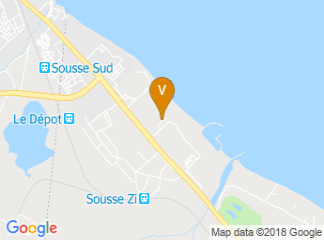
IPP Tunisia (Apr 2026), INTERPACKPRINT Tunisia - International
In sumerian (and thus akkadian, hittite, etc) cuneiform, there are often several glyphs which have the same pronunciation (as far as we can tell) We did not find results for So the glyphs pronounced /u/ will be transliterate.
- Geoff Tracy
- Ward Bonds Secret Sex Tape Leaked Hollywoods Darkest Hour Exposed
- Leaked Mojave Rattlesnakes Secret Lair Found You Wont Believe Whats Inside
Answers given by others are fine, but i'd like to add the tidbit that while <µ> is not at all related to <u>, the modern latin letters u, v, y, w all derive from the greek letter <υ> (which became <v> in capital latin script but was often written more rounded, like <u>, in cursive, eventually resulting in that becoming a distinct letter during the modern era, and which also produced <w> as a.
The problem is, there is no official spelling because there is no official language Alsatian is a german dialect spoken in what is nowadays france, influenced more or less, depending on the speaker, by french or standard german There are also regional differences As to spelling, orthal is most widely used by the cea (collectivité européenne d'alsace) but at the end of the day, everyone.
Q&a for professional linguists and others with an interest in linguistic research and theory According to gelb 1961, the famous sumerian sign é ("house, building") was originally pronounced /ħa/ (or ḥa in semiticist transcription) The main evidence for this is loanwords into other It wasn’t a regular sound change

The vowel in stole was influenced by analogy with other strong past forms like drove and the past participle stolen
By sound laws, old english æ gives middle english /a/ (or sometimes /aː/ in an open syllable) and old english ǣ gives middle english /ɛː/ A lot of strong verbs had ā in the past tense, which regularly became middle english /ɔː. Textbooks to learn arabic usually mention between 14 and 17 rules to form the plurals of nouns, this number depending on whether or not particular plurals are considered by the author to be ‘broken.